Medical Alert After Surgery
Protection For The Weeks That Matter Most
The first weeks home after surgery are when falls and complications peak, and when you are least able to reach a phone. Month-to-month protection, cancel whenever you have healed.
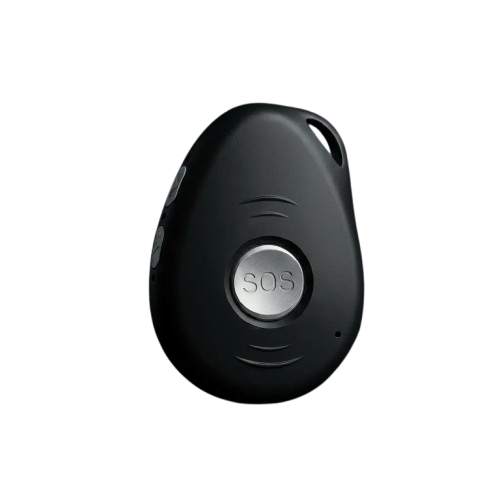 Recommended: Life Alarm
fall-risk window: the first weeks home after surgery
adults over 65 falls each year, surgery raises the odds (CDC)
billing, keep it only as long as recovery takes
shipping, protection before you are discharged
Why A Medical Alert After Surgery Supports Recovery At Home
Weak, Medicated, Alone
Anesthesia after-effects, pain medication and reduced mobility are a perfect storm for falls at home.
Bathroom Trips Are The Danger
Post-op patients fall most on the way to the bathroom, at night, alone. Water-Resistant and always on you.
No Long Commitment
Healing takes weeks, not years. Our plans are month to month with no cancellation fee, ever.
Reassurance For Discharge
Hospitals discharge sooner when patients have support at home. Show them you do.
 The riskiest weeks of recovery, covered for a few dollars a day
Hospitals Send You Home Sooner Than Ever. Send Home Some Backup Too.
Modern surgery discharges you fast, hips in two days, hearts in five. Recovery now happens at home, which is wonderful, except home has stairs, slippery bathrooms and nobody on shift at 3am. The first two weeks after discharge are statistically the most dangerous of the whole episode.
A month-to-month medical alert is the missing piece of the discharge plan. Groggy from pain medication, wobbly on a walker, one button covers every trip to the bathroom until you are steady again. And when recovery is done, cancel with a phone call, no contract, no fee, no hard feelings.
For recovery we recommend the classic Life Alarm: beautifully simple, highly sensitive fall detection, one obvious button when you are groggy, and true month-to-month billing you can stop the day you are back on your feet.
Prefer a different style? See the Life Alarm S
The Same Emergency, Two Endings
Without A Medical Alert
- 1Day 4 post-op, a dizzy spell on the bathroom tile
- 2Your spouse is at the pharmacy, twenty minutes away
- 3A fall on a fresh incision means readmission and a setback
With My Life Alarm
- 1The same dizzy spell, you press before you sway
- 2The operator keeps you talking, seated, until your spouse arrives
- 3A wobble stays a wobble instead of becoming a readmission
Help In Three Simple Steps
Press Your Button
One press connects over built-in 4G LTE. No phone, no dialing, no app.
A Trained Operator Answers
Our AI-assisted platform answers instantly, the operator sees your name, location and this exact health profile.
The Right Help Is Sent
EMS, a neighbour or family, your choice. We stay on the line and notify your loved ones automatically.
Operators Trained For Post-Surgery Recovery
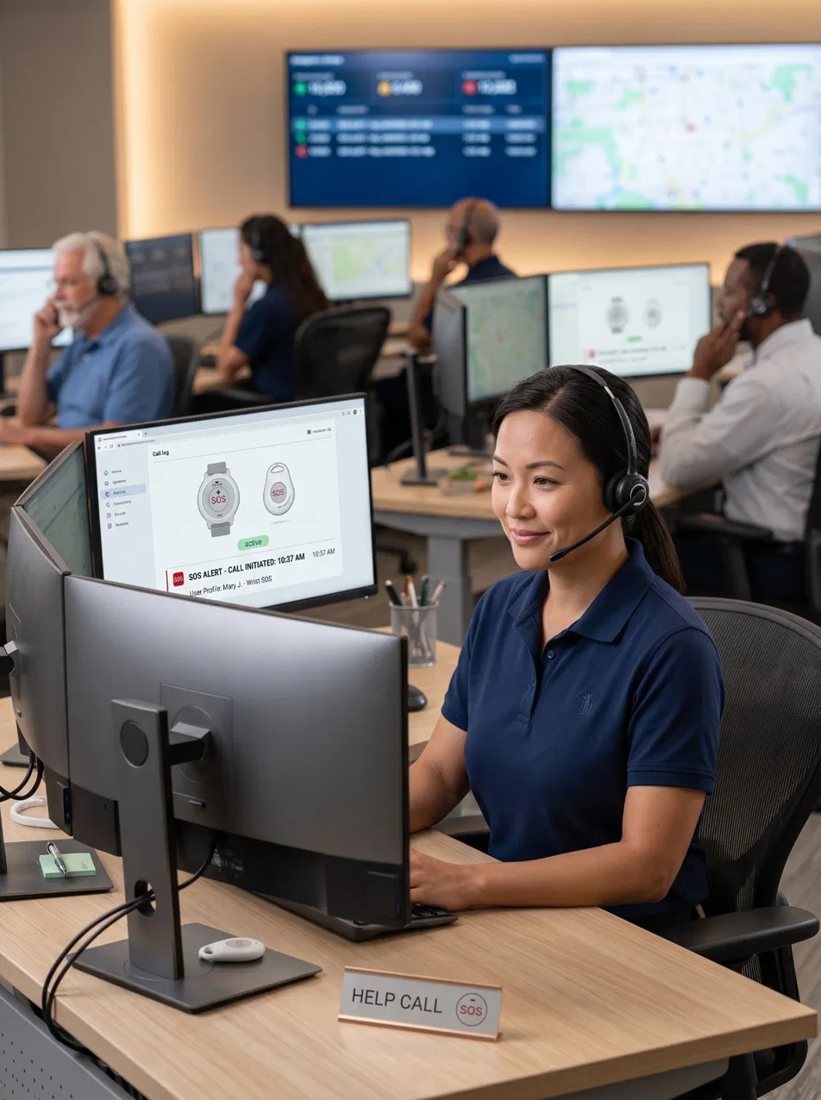
Every alert reaches a live, TMA Five Diamond trained operator. Here is what that means for your exact situation:
They know your procedureHip, cardiac, spinal, the operator sees what you had done and when.
They flag your medicationsPain medication on file explains confusion and guides EMS.
They respect the recovery planNon-emergency stumble? They can call your designated helper instead of an ambulance.
They check the basicsOperators confirm you can reach water and your phone before disconnecting.
What To Look For In A Device For Post-Surgery Recovery
Whether you choose us or anyone else, insist on these. They are the difference between a gadget and a lifeline.
Recovery is temporary, your contract should be too.
Protection must beat you home from the hospital.
Anesthesia brain needs obvious, not clever.
Medicated falls are soft and crumpling, detection must catch them.
Post-op bathing is exactly when supervision ends.
Healing should end the bill, not start a fight.